


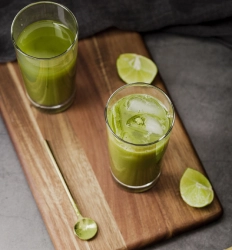








The Benefits of Matcha Tea
Matcha, rich in nutrients and antioxidants, is gaining popularity as a plant-based energy booster and focus enhancer. With the rise of healthier lifestyles, it appeals to fitness enthusiasts and vegans alike, offering a delicious, nutrient-packed option that supports wellness and vitality.

Health Benefits of Matcha
Matcha green tea has been consumed for centuries by Buddhist monks, Samurai warriors, and millions of people in Japan.
The reason they continue to drink it is because of the amazing health benefits it provides simply by consuming it once a day.
Rich in antioxidants, particularly a group called catechins, which are rare in other foods. Among these, EGCG (epigallocatechin gallate) stands out for its exceptional ability to combat oxidative damage. It is world-renowned for its weight loss benefits, antioxidant content, energy-boosting properties, and much more.
These catechins, including EGCG, actively neutralize free radicals throughout the body, promoting overall health and longevity. By incorporating matcha into your routine, you can harness these powerful antioxidants for lasting well-being.
ORAC Value of Common Food
- MATCHA
(1348) - GOJIBERRY
(253) - DARK CHOKOLATE
(227) - PECANS
(180) - WALNUTS
(135) - POMEGRANATE
(105) - WILD BLUEBERRIES
(93) - ACAI BERRIES
(55) - BROCCOLI
(31) - SPINACH
(26)
FAQ for Matcha
Matcha is primarily categorized into two grades: ceremonial and culinary. Ceremonial grade matcha is made from the youngest tea leaves and is intended for traditional tea ceremonies, offering a delicate flavor and vibrant green color. Culinary grade matcha, on the other hand, is slightly more bitter and is suitable for cooking and baking applications.
The production of high-quality matcha is labor-intensive and involves several meticulous steps, including shading the tea plants before harvest, hand-picking the finest leaves, and stone-grinding them into a fine powder. These processes contribute to its higher cost compared to other teas.
High-quality matcha has a vibrant emerald green color, indicating freshness and proper processing. Lower quality matcha may appear yellowish or brownish, which can result from improper shading during cultivation or oxidation during processing.
Matcha is 100% pure green tea leaves that have been shade-grown, hand-picked, steamed, dried, and stone-ground into a fine powder. No additives or preservatives are involved in traditional matcha production.
FAQ for Hojicha
The brown color of Hojicha is a direct result of its roasting process. Roasting the green tea leaves over high heat causes them to change from their original green hue to shades of brown or reddish-brown, distinguishing Hojicha from other green teas.
To brew Hojicha, use the following method:
- Tea-to-Water Ratio: Use about 1 teaspoon of Hojicha leaves per cup.
- Water Temperature: Heat water to approximately 90°C (194°F).
- Steeping Time: Allow the tea to steep for 30 seconds to 1 minute, depending on desired strength.
A traditional Japanese teapot (kyusu) is ideal for brewing, but any teapot or infuser can suffice. Avoid oversteeping to prevent bitterness.
Hojicha offers a toasty, nutty flavor with subtle caramel notes and a hint of smokiness. Its roasting process imparts a mild sweetness and eliminates the grassy undertones typical of other green teas, resulting in a smooth, mellow cup.
Hojicha is composed solely of roasted green tea leaves and stems, with no added ingredients. Its unique flavor profile is entirely derived from the roasting process applied to the tea plant components.
Beyond traditional brewing, Hojicha's versatile flavor makes it a popular ingredient in various culinary applications, including:
- Lattes: Combining Hojicha with steamed milk creates a creamy, toasty beverage.
- Desserts: Incorporated into ice creams, cakes, and pastries for a unique flavor.
- Savory Dishes: Used as a seasoning or infusion to impart a smoky depth.
Your Best Self Starts Here
Holy City Matcha is your daily dose of focus, wellness, and calm energy. Ready to sip the best?